“By the Community, For the Community”
What happens when Autistic and neurodivergent people are given space to simply speak for themselves?
That was the heart of this special Autism Acceptance Month episode of AOG Radio: a community town hall featuring a panel of Autistic and neurodivergent advocates, leaders, creators, and community members sharing honest conversations about identity, belonging, advocacy, communication, burnout, masking, boundaries, and finding your voice.
Too often during Autism Acceptance Month, conversations about autism happen around us rather than with us. This event was different. It was created by the community, for the community — a space where panelists could speak openly about their experiences in their own words and on their own terms.
Throughout the discussion, panelists reflected on questions like:
- What does being autistic mean to you?
- What helps you feel safe or comfortable in community spaces?
- How do you advocate for yourself?
- What happens when speaking up goes badly?
- What does belonging actually feel like?
- Why is it important for autistic people to be heard?
The result was a deeply personal, thoughtful, funny, and powerful conversation that highlighted not only the diversity of autistic experiences, but also the shared humanity underneath them.
One panelist spoke about discovering they were autistic at age 64 after surviving Stage 4 cancer and reevaluating their entire life. Another described advocacy as “positive selfishness” — learning to protect your needs, boundaries, and mental health without shame. Others discussed the pressures of masking, stereotypes around race and gender, difficulties with communication, and the challenge of existing in systems not designed for neurodivergent people.
Most importantly, the conversation centered something simple but often denied to autistic people: the ability to define ourselves.
Meet the Panelists
Martina Kuzenski
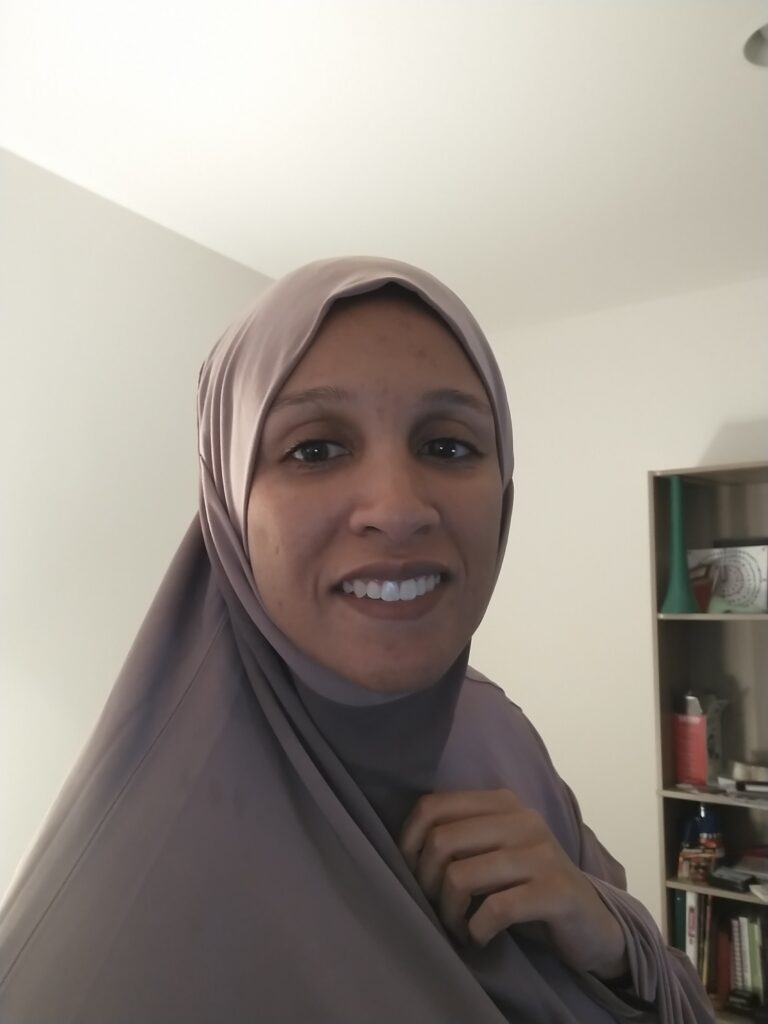
Martina Kuzenski is a late-diagnosed autistic woman who received her autism diagnosis at age 28 near the end of her Master’s degree program. She is an IT Specialist and mentor for the Pathways in Technology Early College High School (P-TECH) program, and co-author of the best-selling book Ladies in Tech: Sharing Expertise for a Successful Career. Martina is currently finishing her first year in an Information Technology PhD program, where she hopes to conduct research focused on making user interfaces more accessible for neurodivergent people.
Owen Keys
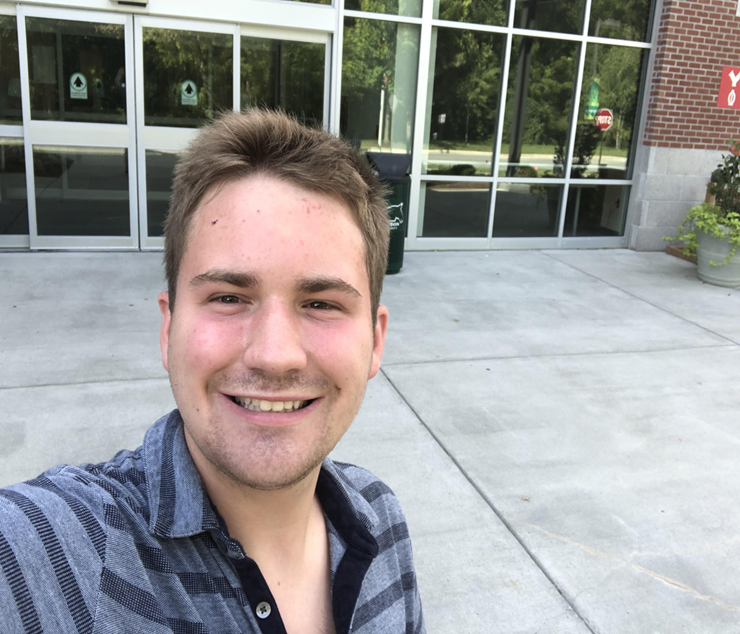
Owen Keys is a leader with Autism On the Go and currently serves as President. He created AOG subgroups including Bad Kids Anonymous (Bad-Anon) and the Creative Club. Owen speaks openly about the challenges of growing up labeled “high functioning” and the ways that stigma can erase real support needs. Through advocacy and peer support, he encourages others to find value and self-worth even in dark moments.
Rosanna Tufts
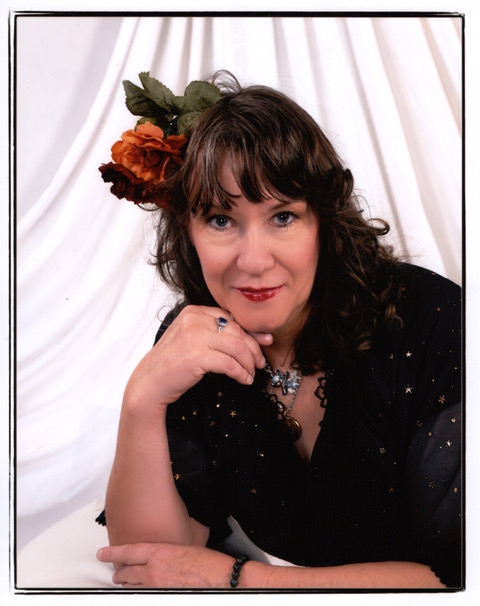
Rosanna Tufts has lived many lives: musician, HR professional, talk radio host, author, interfaith minister, astrologer, Toastmaster, Reiki practitioner, musical theater producer, parent, and cancer survivor. After discovering she was autistic at age 64, she began reevaluating her life through a new lens and later produced the documentary Was It Autism All Along?, available on YouTube.
Victoria M. Rodríguez-Roldán, J.D.
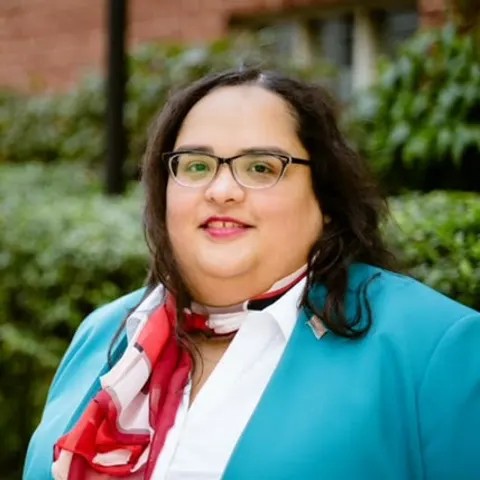
Victoria M. Rodríguez-Roldán is a nationally known openly trans and Autistic self-advocate, lawyer, and Maryland’s Coordinator of Autism Strategy. Her work has focused extensively on disability rights, LGBTQ advocacy, developmental disability policy, and disability justice. She previously chaired the board of the Autistic Self Advocacy Network and has written about the intersection of developmental disability and LGBTQ identity.
Marcel Hickman
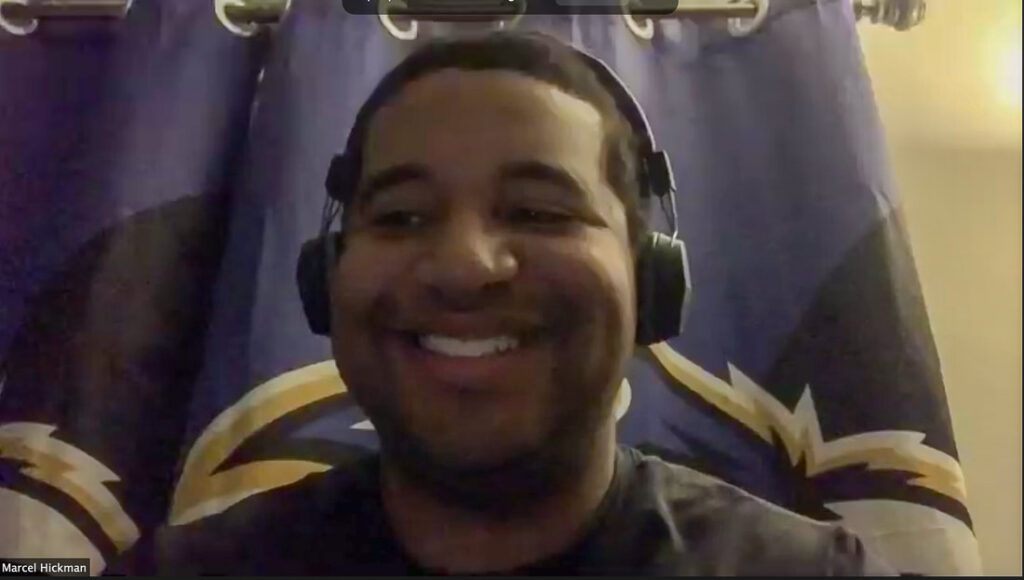
Marcel Hickman is an active participant in AOG groups and events who lives in East Baltimore with his mother and legal guardian. During the panel, Marcel spoke passionately about the importance of Autistic people being heard and understood as individuals with unique needs, perspectives, and strengths.
Why This Conversation Matters
One of the strongest themes throughout the episode was that Autistic people are not a monolith.
Different panelists communicated differently. Some preferred verbal communication, others written. Some found belonging at the center of communities while others felt safest at the edges. Some spoke about surviving stigma related to autism, while others also navigated race, gender identity, disability, class, or other overlapping experiences.
And yet, despite all those differences, there was a shared understanding throughout the discussion: people deserve spaces where they can exist authentically without being forced to constantly justify themselves.
That’s what AOG strives to create.
Not perfect people.
Not perfect communication.
Not performance.
Just people, showing up honestly together.
🎧 Listen to the full episode on AOG Radio:
AOG Radio
🌐 Learn more about Autism On the Go:
Autism On the Go Website
#ActuallyAutistic #AutismAcceptance #Neurodiversity #DisabilityRights #AOG #AOGRadio #AutisticVoices