This presentation explores two truths at the same time: technology can be access, and technology can be oppressive.
We review common assistive technologies (eye gaze communication, mobility supports, screen readers/magnification, braille displays) and explain how inaccessible design creates unintentional exclusion (CAPTCHAs, poorly designed websites/apps, services that assume everyone uses a mouse/voice/hands).
We also discuss privacy and consent: understanding how your data is used, declining what doesn’t feel right, and asking questions as a right and responsibility.
Finally, we close with concrete ways to advocate for better technology—support inclusive companies, engage in policy conversations, and vote.
- Assistive technology overview (AAC/eye gaze, screen readers, braille, mobility tech, etc.)
- How inaccessible design excludes people
- Basic digital accessibility practices (web/app usability, captions, keyboard access)
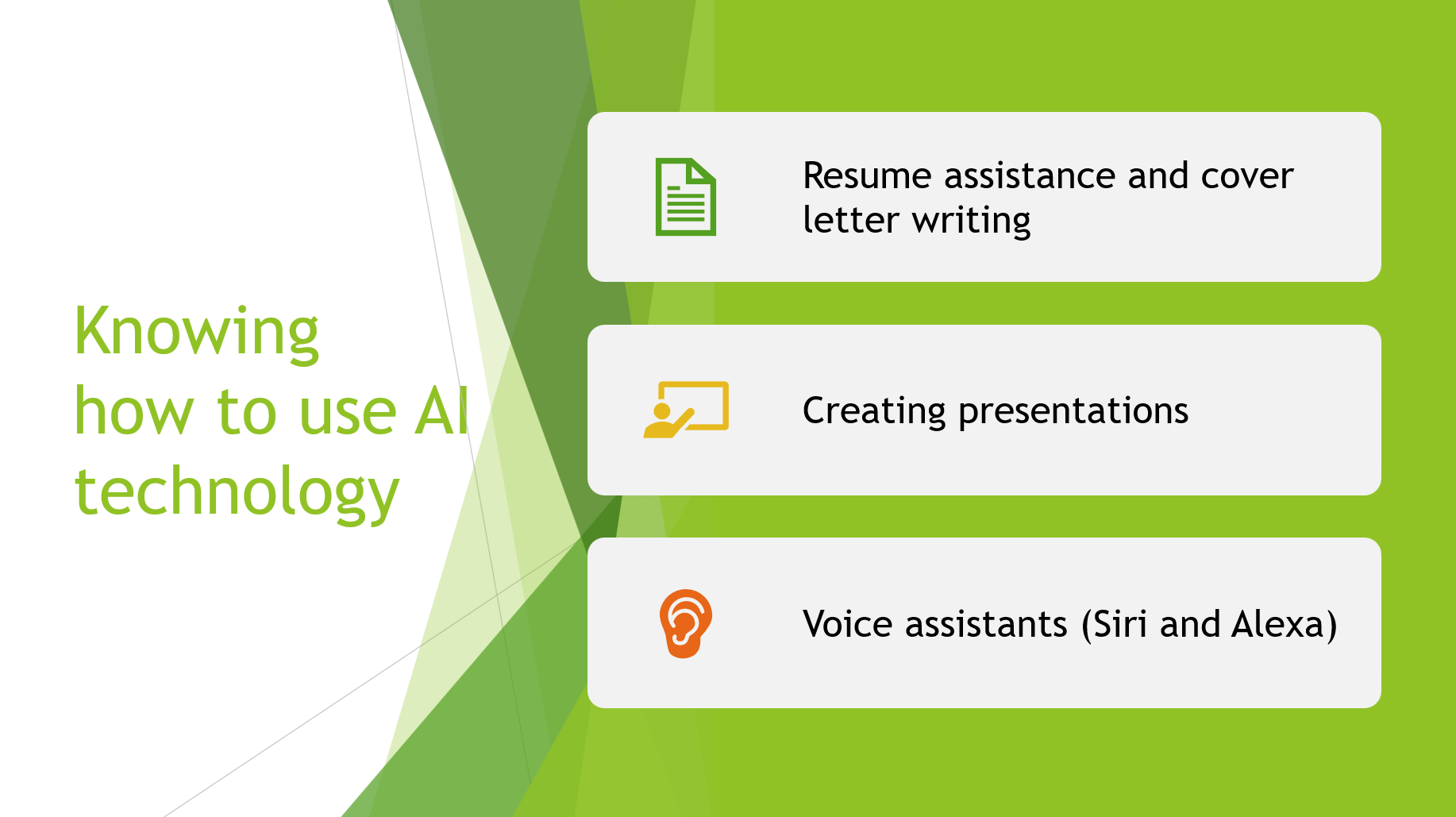
- AI and emerging tech: benefits + risks; Privacy/consent and data dignity
- How to advocate (consumer choices, feedback, policy, voting)
- Real-world examples + discussion
- People with disabilities and families
- Service providers and educators
- Employers/HR/IT teams
- Designers, developers, and product teams
- Community groups learning about access tools
- Anyone wanting practical examples of how tech helps—and how it excludes
- Format: Presentation / Workshop
- Length: 35-45 minutes
- Delivery: Virtual or in-person (as available)
- People with disabilities
- families
- service providers
- community groups
- workplaces
All AOG presentations are offered free of charge. Organizations that can afford it are encouraged to make a donation to support our community-led work. To schedule, contact: info@autismonthego.org